The Best Foldable Phones of 2025: A Comprehensive Comparison
The Best Foldable Phones of 2025: A Comprehensive Comparison
Foldable phones have evolved from niche novelties to mainstream powerhouses in 2025, offering innovative designs that blend portability with expansive screens. With two primary types—book-style and clamshell—each caters to different needs, from productivity to compact style. This blog post compares the top foldable phones of 2025, highlighting their designs, features, and performance to help you decide which one suits you best. Let’s dive into the foldable revolution!
Types of Foldable Phones
Foldable phones come in two main designs:
Book-Style Foldables: These open like a book, transforming from a standard phone-sized outer screen to a larger, tablet-like inner display (7–8 inches). They’re ideal for multitasking, media consumption, and productivity.
Clamshell Foldables: These fold vertically, resembling classic flip phones. They feature a small cover screen for quick tasks and a full-sized smartphone display when unfolded (6.7–6.9 inches). They prioritize style and portability.
Below, we compare the top models in each category, focusing on design, performance, cameras, battery life, and price, with insights from recent reviews.
Top Book-Style Foldable Phones of 2025
Book-style foldables are perfect for users who want a phone that doubles as a tablet. Here’s a look at the leading contenders:
1. Samsung Galaxy Z Fold 7
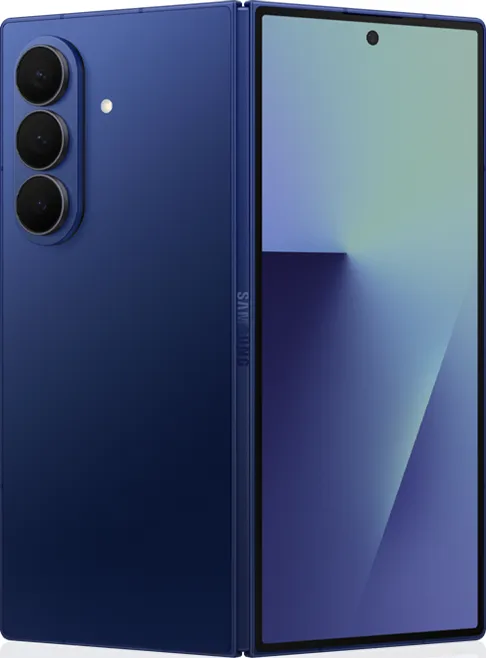
Design: At just 8.9mm thick when folded and 215g, the Z Fold 7 is Samsung’s thinnest and lightest Fold yet, with a redesigned Armor FlexHinge and Gorilla Glass Ceramic 2 for durability. The 6.5-inch cover screen (21:9 aspect ratio) is more usable, while the 8-inch inner AMOLED display (120Hz, 2160x1856) is vibrant and ideal for multitasking.
Performance: Powered by the Snapdragon 8 Elite chipset with up to 16GB RAM, it handles gaming and multitasking effortlessly. Samsung’s One UI offers seamless multi-window navigation.
Cameras: A 200MP main sensor (borrowed from the S25 Ultra) delivers flagship-level photos, though secondary lenses (10MP ultrawide, 12MP telephoto) lag slightly behind non-foldables.
Battery Life: The 4400mAh battery lasts a full day but falls short of rivals. Charging is slow at 25W.
Price: Starts at $1,999, making it one of the priciest options.
Pros: Slimmest design yet, excellent multitasking, top-tier camera.
Cons: Expensive, slow charging, no dust resistance (IP48 rating).
2. Google Pixel 9/10 Pro Fold

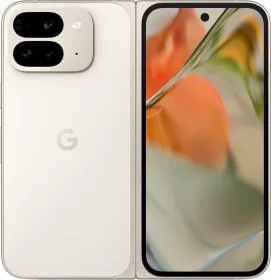
Design: With a 6.3-inch cover screen and an 8-inch inner OLED display (120Hz, 2700 nits), the Pixel 9 Pro Fold feels like a regular phone when closed. Its lighter form factor and less reflective display reduce the crease’s visibility.
Performance: The Google Tensor G4 chipset powers smooth performance, enhanced by AI features like Pixel Screenshots and Gemini Live. It’s less powerful than Snapdragon chips but optimized for Google’s ecosystem.
Cameras: The 48MP main sensor excels in detail and low-light shots, but the 10.8MP ultrawide and telephoto lenses are less sharp than non-foldables. Its self-standing design aids selfies with rear cameras.
Battery Life: A 4650mAh battery offers solid all-day performance, with 45W charging.
Price: Starts at $1,799, slightly cheaper than the Z Fold 7.
Pros: User-friendly form factor, excellent software, bright displays.
Cons: Camera system not as versatile, less powerful chipset.
3. OnePlus Open (Apex Edition)

Design: Features a 6.3-inch cover screen and a 7.8-inch inner LTPO 3.0 display (120Hz, 2800 nits) with a barely noticeable crease. At 239g, it’s lighter than older Folds but heavier than the Z Fold 7. The hinge is less versatile than Samsung’s.
Performance: The Snapdragon 8 Gen 2 (Apex Edition) with 16GB RAM delivers strong performance. Open Canvas software enhances multitasking, outshining Samsung and Google in app-switching fluidity.
Cameras: A triple-lens setup (48MP wide, 48MP ultrawide, 64MP telephoto) captures vivid images but falls short of Pixel’s low-light performance.
Battery Life: The 4805mAh battery lasts all day, with 67W fast charging.
Price: Starts at $1,699, the most affordable of the trio.
Pros: Best multitasking software, fast charging, great value.
Cons: Slightly dated hardware, IPX4 water resistance only.
4. Oppo Find N5
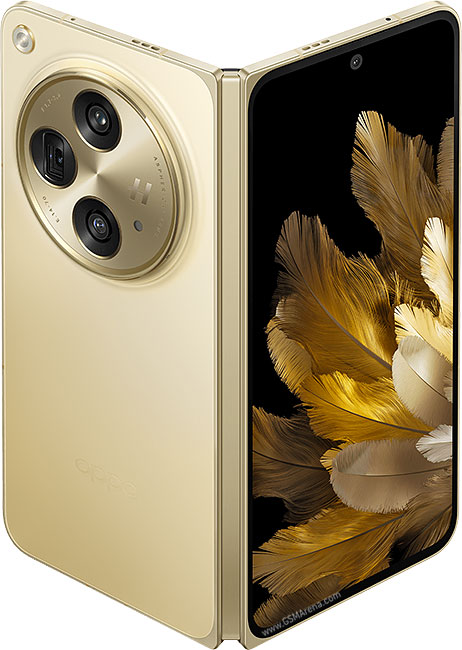
Design: The thinnest book-style foldable at 3.6mm when open and 7.7mm when folded, with an 8.12-inch inner display and 6.62-inch cover screen (both 120Hz, 2540 nits). A titanium hinge ensures durability, but there’s no dust resistance.
Performance: The Snapdragon 8 Elite chipset with 16GB RAM offers top-tier performance. It supports tri-band Wi-Fi 7 and video output via USB-C.
Cameras: A triple-lens system (50MP main, 48MP ultrawide, 32MP telephoto) is solid but downgraded for slimness, struggling in low light.
Battery Life: A 5060mAh battery with 80W charging outperforms competitors in longevity and speed.
Price: Starts at $1,277 (not widely available in the US).
Pros: Ultra-slim design, large displays, fast charging.
Cons: Limited availability, software bugs, no dust resistance.
Top Clamshell Foldable Phones of 2025
Clamshell foldables prioritize style and portability, folding into compact designs. Here are the top picks:
1. Samsung Galaxy Z Flip 7
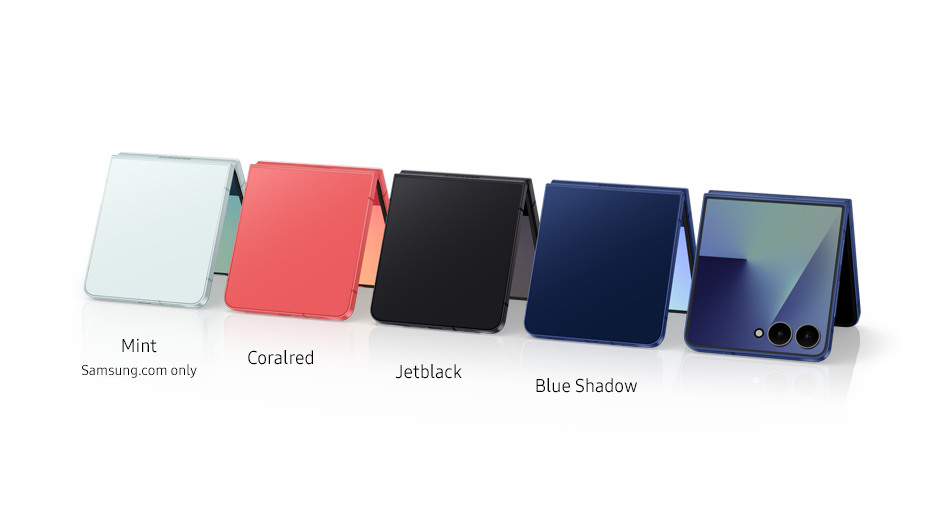
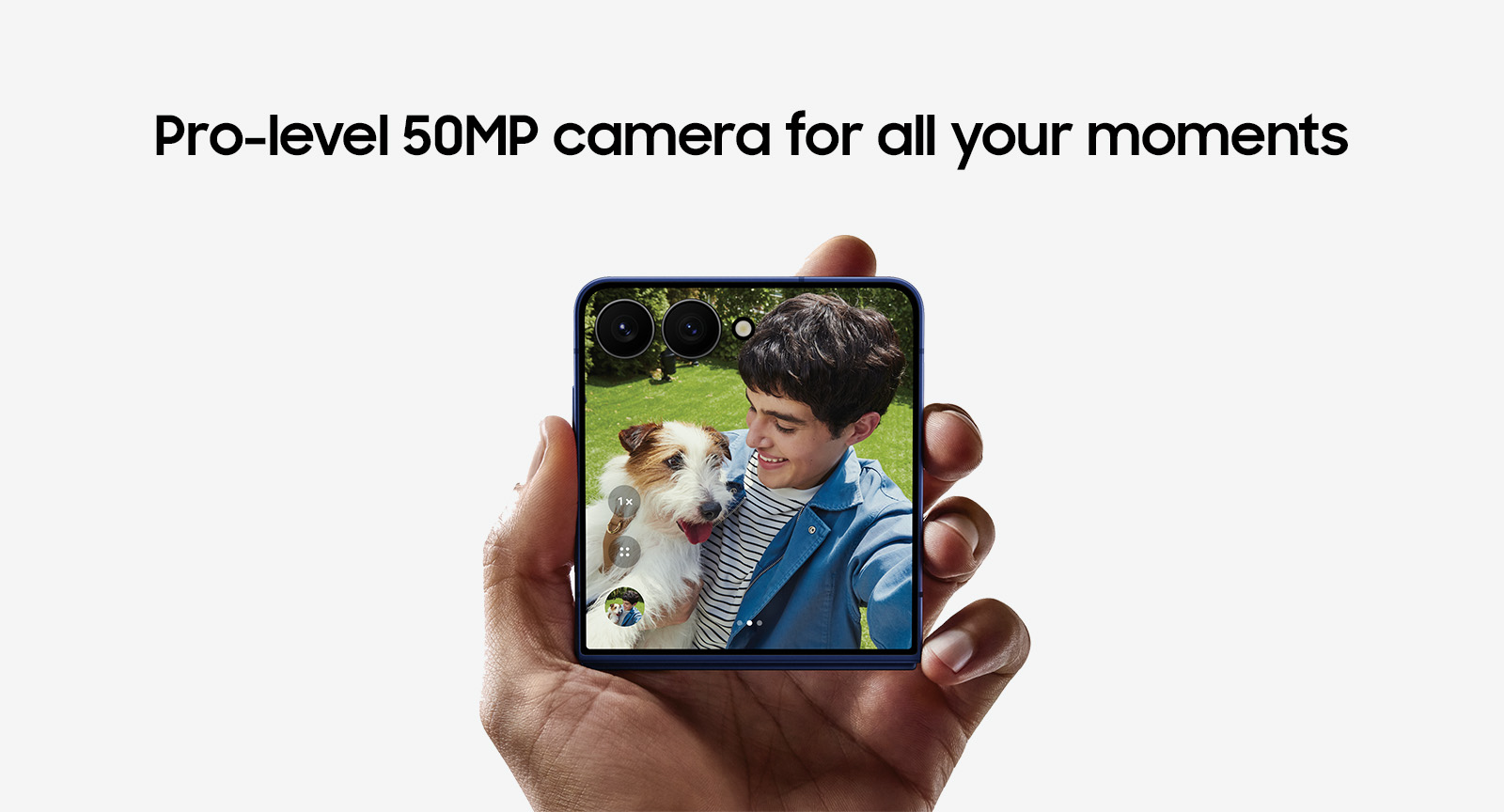
Design: A 4.1-inch AMOLED Flex Window cover screen spans edge-to-edge, paired with a 6.9-inch inner display (120Hz). At 187g, it’s slim and durable with an IP48 rating and Gorilla Glass Victus 2.
Performance: The Snapdragon 8 Elite chipset with 12GB RAM ensures smooth operation. Features like Now Bar and Gemini Live enhance the cover screen experience.
Cameras: A 50MP main and 12MP ultrawide lens perform well, especially in low light, but lack a telephoto lens.
Battery Life: A 4000mAh battery lasts a day but runs hot with heavy use. Charging is slow at 25W.
Price: Starts at $1,099, with a budget-friendly Z Flip 7 FE at $899 (Exynos 2400, smaller battery).
Pros: Stylish design, large cover screen, durable.
Cons: No telephoto lens, slow charging.
2. Motorola Razr Ultra (2025)

Design: Features a 4-inch pOLED cover screen (165Hz, 3000 nits) and a 6.9-inch LTPO pOLED inner display (165Hz, 3000 nits). A titanium hinge and IP48 rating improve durability.
Performance: The Snapdragon 8s Gen 3 with 12GB RAM handles tasks well, though it’s not as powerful as flagship chips. Motorola’s Android 14 is clean but offers only three years of updates.
Cameras: Dual 50MP sensors (main and telephoto) deliver decent results, but no ultrawide lens is a drawback.
Battery Life: A 4000mAh battery with 45W charging offers reliable performance.
Price: Starts at $999, with the base Razr 2025 at $699 (Dimensity 7400X, 3.6-inch cover screen).
Pros: Vibrant displays, compact design, good value.
Cons: Limited software updates, no ultrawide camera.
3. Xiaomi Mix Flip
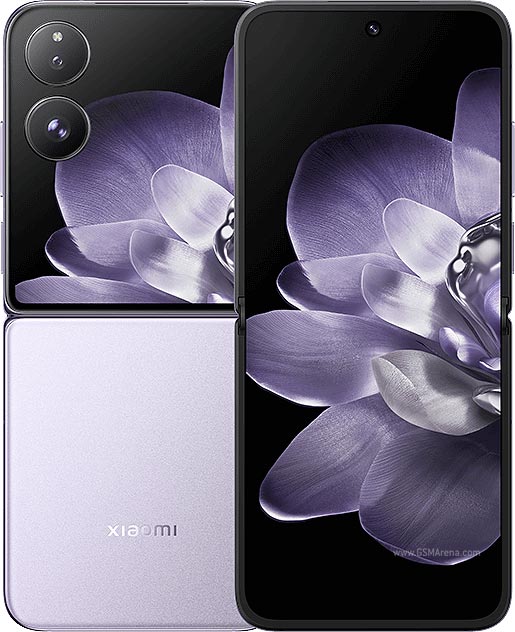
Design: A 4.01-inch AMOLED cover screen (120Hz, 3000 nits) and 6.86-inch inner AMOLED display (120Hz, 3000 nits) make it sleek at 192g. A stainless steel hinge withstands 500,000 folds.
Performance: The Snapdragon 8 Gen 3 with up to 16GB RAM ensures top-tier performance for gaming and multitasking.
Cameras: Dual 50MP Leica-optimized lenses (main and telephoto) excel, with a 32MP front camera. No ultrawide is a downside.
Battery Life: A 4780mAh battery with 67W charging outperforms competitors.
Price: Starts at $899, but availability is limited outside Asia.
Pros: Premium performance, excellent battery, robust cameras.
Cons: Limited availability, no ultrawide lens.
Comparison Table
Model | Type | Cover Screen | Inner Screen | Processor | Main Camera | Battery | Price | Key Strength |
|---|---|---|---|---|---|---|---|---|
Samsung Galaxy Z Fold 7 | Book | 6.5" AMOLED | 8" AMOLED | Snapdragon 8 Elite | 200MP | 4400mAh | $1,999 | Slim design, multitasking |
Google Pixel 9 Pro Fold | Book | 6.3" OLED | 8" OLED | Google Tensor G4 | 48MP | 4650mAh | $1,799 | User-friendly, AI features |
OnePlus Open (Apex) | Book | 6.3" LTPO | 7.8" LTPO | Snapdragon 8 Gen 2 | 48MP | 4805mAh | $1,699 | Multitasking, value |
Oppo Find N5 | Book | 6.62" OLED | 8.12" OLED | Snapdragon 8 Elite | 50MP | 5060mAh | $1,277 | Ultra-slim, battery life |
Samsung Galaxy Z Flip 7 | Clamshell | 4.1" AMOLED | 6.9" AMOLED | Snapdragon 8 Elite | 50MP | 4000mAh | $1,099 | Stylish, durable |
Motorola Razr Ultra 2025 | Clamshell | 4" pOLED | 6.9" pOLED | Snapdragon 8s Gen 3 | 50MP | 4000mAh | $999 | Vibrant displays, value |
Xiaomi Mix Flip | Clamshell | 4.01" AMOLED | 6.86" AMOLED | Snapdragon 8 Gen 3 | 50MP | 4780mAh | $899 | Performance, battery |
Key Considerations for Choosing a Foldable Phone
Purpose:
Productivity: Book-style foldables like the Z Fold 7 or OnePlus Open excel for multitasking and work, with larger screens and robust software.
Portability/Style: Clamshell models like the Z Flip 7 or Mix Flip are compact and stylish, ideal for users who prioritize pocketability.
Durability: Foldables are less durable than slab phones, with hinges and flexible screens prone to wear. Look for IP48 ratings (Z Fold 7, Razr Ultra) and avoid removing pre-installed screen protectors.
Budget: Prices range from $699 (Motorola Razr 2025) to $1,999 (Z Fold 7). Budget options like the Z Flip 7 FE or Razr 2025 offer good value.
Availability: Models like the Oppo Find N5 and Xiaomi Mix Flip are limited outside Asia, so check regional availability.
Software Support: Samsung and Google offer seven years of updates, while Motorola provides only three, impacting long-term value.
Future Trends in Foldable Phones
The foldable market is heating up, with innovations like Samsung’s tri-fold Galaxy G Fold and rollable screen concepts expected by 2026. Apple is rumored to enter the foldable space in 2026, potentially with an iPad-style device. Huawei’s Mate XT tri-fold, though limited to China, hints at multi-hinge designs to come.
Conclusion
Ready to unfold the future? Share your thoughts in the comments or check out these phones at retailers like Samsung, Google, or Motorola’s official sites!


Comments
Post a Comment